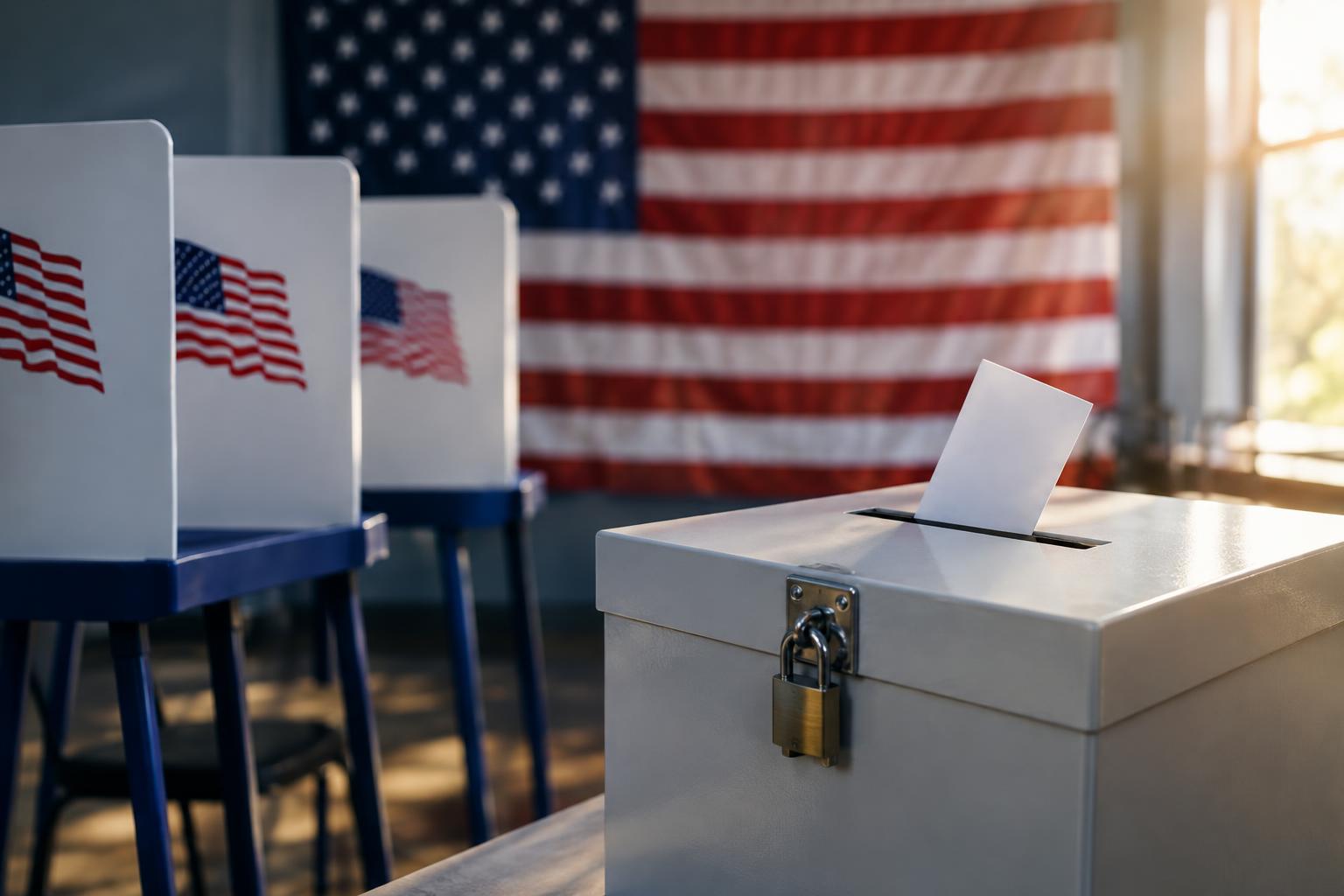
Voters across the United States delivered Democrats control of both the House of Representatives and Senate on Tuesday, ending Republican majorities that had shaped Washington policy for two years. The result stands among the most consequential midterm elections in recent American history.
The political upheaval proved most dramatic in Texas, where Democratic victories reversed more than thirty years without a statewide win for the party. Gina Hinojosa, a former state legislator, defeated Governor Greg Abbott to become the first Latina to win the Texas governorship. Her campaign focused on reducing household costs, strengthening schools, fighting corruption and addressing concerns about data centre expansion.
The Texas reversal extended beyond the governor's mansion. Democrat James Talarico, a state representative, defeated Republican Attorney General Ken Paxton for the U.S. Senate seat, marking the first Democratic Senate victory in Texas since Lloyd Bentsen's 1988 reelection. Vikki Goodwin won the lieutenant governor's race, while Democrats also captured the offices of attorney general, comptroller, agriculture commissioner, General Land Office and Railroad Commission.
Republican Senate seats crumbled in Kansas, South Carolina, Maine and Ohio as well. In Kansas, Democrat Adam Hamilton, a pastor leading one of the nation's largest United Methodist congregations, defeated Republican incumbent Roger Marshall. The victory ended a ninety-four year drought for Democratic Senate candidates in a state that had not sent a Democrat to the Senate since 1932. In South Carolina, the Democratic candidate defeated Republican Senator Darline Graham, delivering the state's first Democratic Senate win since 1998.
Democrats needed to gain four Senate seats to secure control of the chamber. Their gains stretched well beyond the initially competitive races considered essential to that goal.
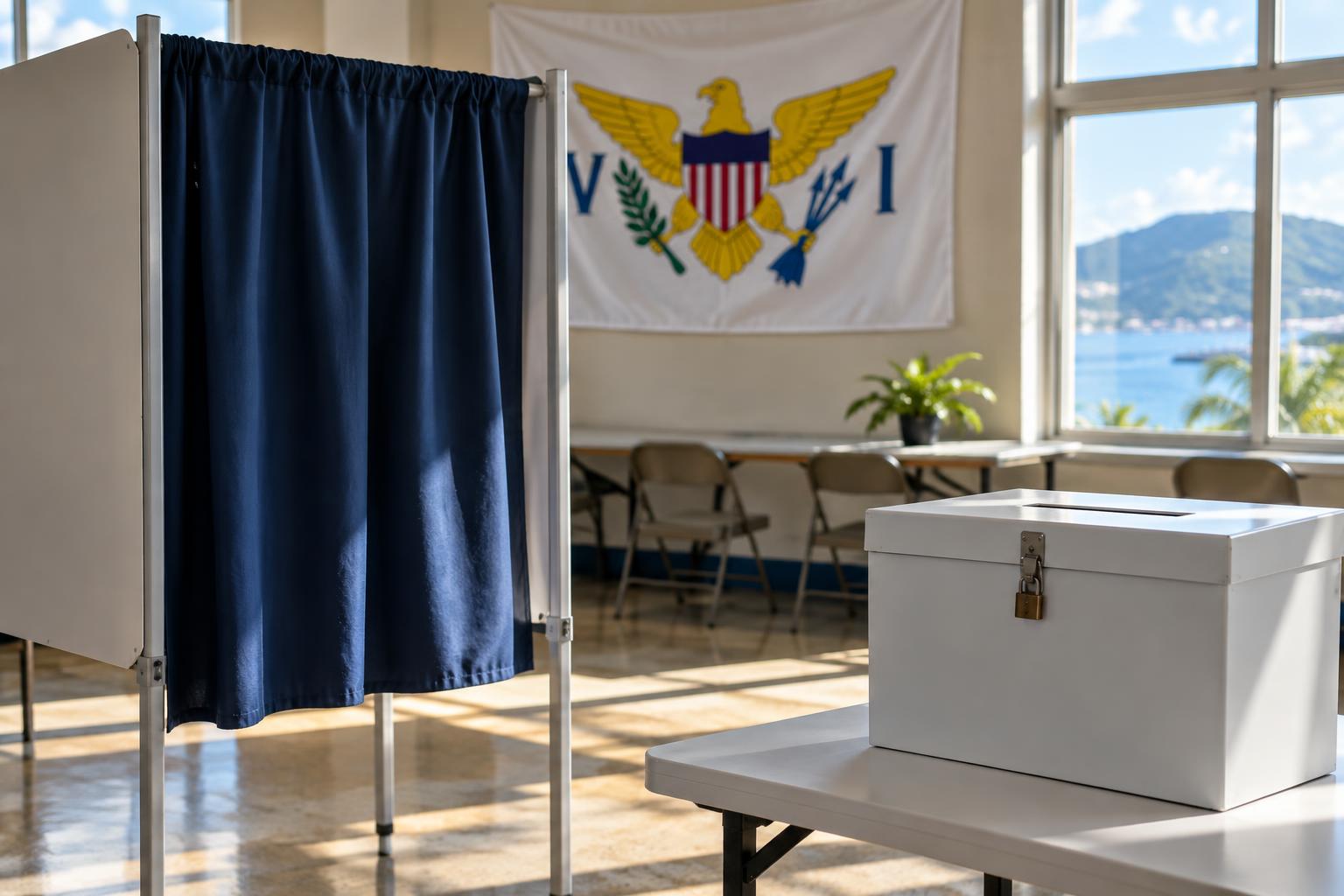
The historic wave extended to statewide offices across the nation. Michigan voters elected the country's first Muslim U.S. senator. New Mexico chose the first Native American woman as governor. Georgia elected its first Black female governor. In the U.S. Virgin Islands, voters selected Stacey Plaskett as the territory's first female governor. Alabama voters also made history by electing the state's first openly transgender legislator.
Voters cited persistent inflation, the unpopular U.S. military involvement in Iran, immigration enforcement disputes and government accountability concerns as key frustrations. Exit polling revealed widespread unhappiness with the nation's direction and backing for stronger congressional oversight of the president.
Democratic command of Congress enables the party to chair committees, hold oversight hearings, obtain executive records and examine Trump administration decisions when the new Congress begins in January. Yet Democrats lack the power to unilaterally overturn presidential policies. The president retains veto authority, and most legislative shifts will demand bipartisan support.



Comments
No comments yet. Be the first.