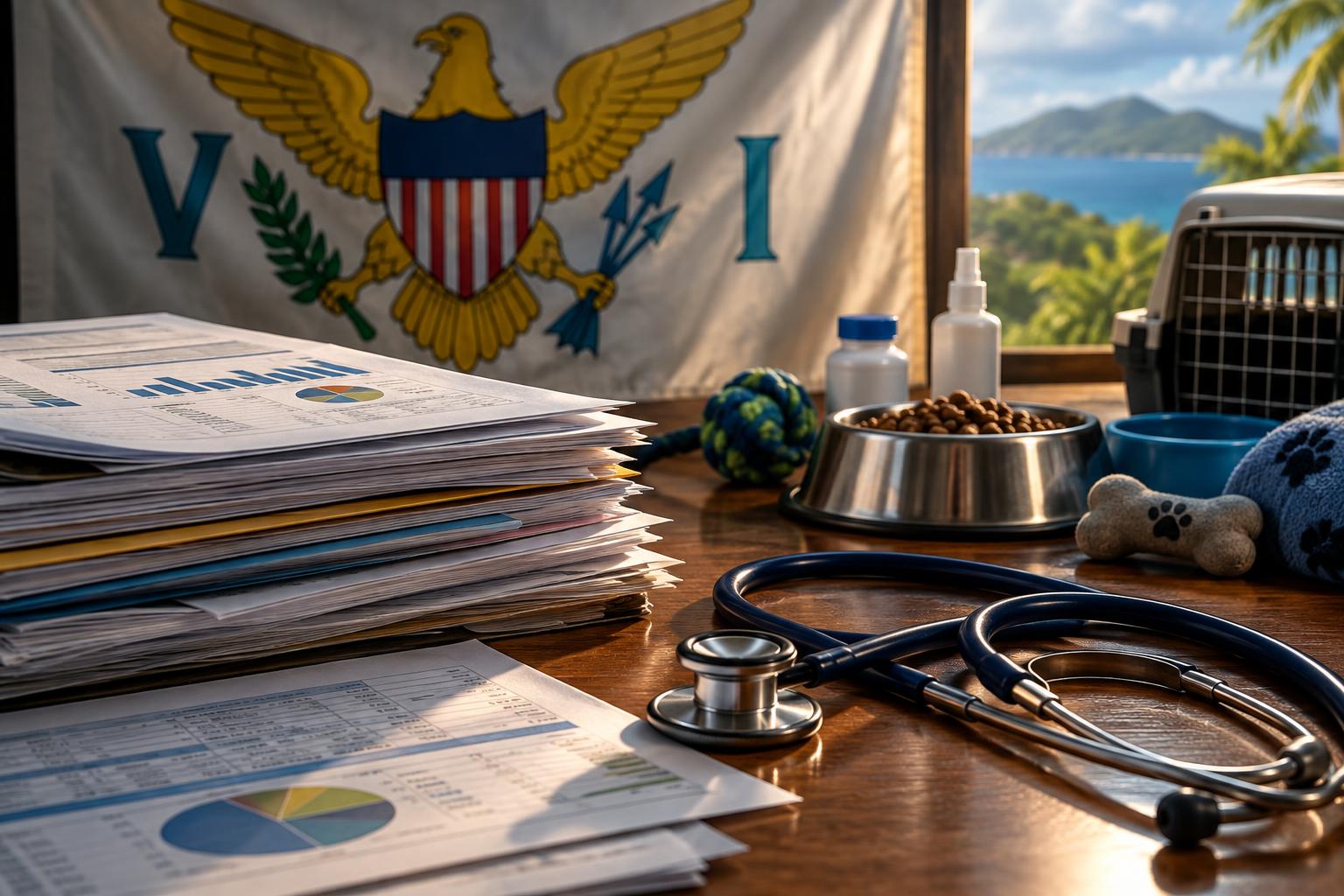
Nonprofits serving the US Virgin Islands are reeling after the government's newly approved budget imposed steep funding reductions, leaving some organisations unable to meet payroll or maintain operations.
The Humane Society of St. Thomas, which handles animal control for the territory under a government contract, is owed $55,500 from the previous fiscal year and did not receive a $43,000 payment due on September 1. The shelter also faces a $12,500 shortfall in its spay and neuter programme. Shelter Manager Kathryn Kennington said the government provided no explanation for the delays.
The new budget, which took effect October 1, has not yet been finalised in contract form. The Agriculture Department and Property and Procurement have not executed standard contract renewals that have been pending since October 2025, leaving Kennington without clarity on funding levels.
The St. Thomas shelter's general operations funding dropped from $175,000 to $87,500, a 50 percent cut. Its spay and neuter budget fell from $50,000 to $16,875, a 66 percent reduction. Senator Kurt Vialet told the media this steep cut to the spay and neuter line appears to be an error, noting that the St. Croix Animal Welfare Center receives $37,500 for the same service, which would represent a 25 percent reduction for St. Thomas.
Over the past year, the shelter completed more than 2,000 surgical procedures, significantly lowering the stray animal population. Kennington warned that without adequate funding, the shelter may need to suspend services again, as it did on July 1 after the government accumulated $181,250 in unpaid bills. The shelter resumed full operations days later following a $131,250 payment.
The cuts extend across the territory. The miscellaneous budget section, which funds homeless services, mental health programmes, cultural initiatives and youth groups, was reduced by $3.8 million to $48.4 million.
Vialet attributed the reductions to a cashflow crisis and said lawmakers plan to revisit the budget in February if revenue collections improve. He also cited federal funding pressures, including changes to the Supplemental Nutrition Assistance Program cost-share, which now requires the territory to pay 50 percent instead of 25 percent, adding $3 to $4 million in annual expenses.
Kennington expressed dismay at the cuts to animal services. "How disappointing it is that we were trying to make an effort to make the island better with the spay and neuter and providing the services, but they keep cutting us, slashing us, that makes it impossible," she said.

Comments
No comments yet. Be the first.