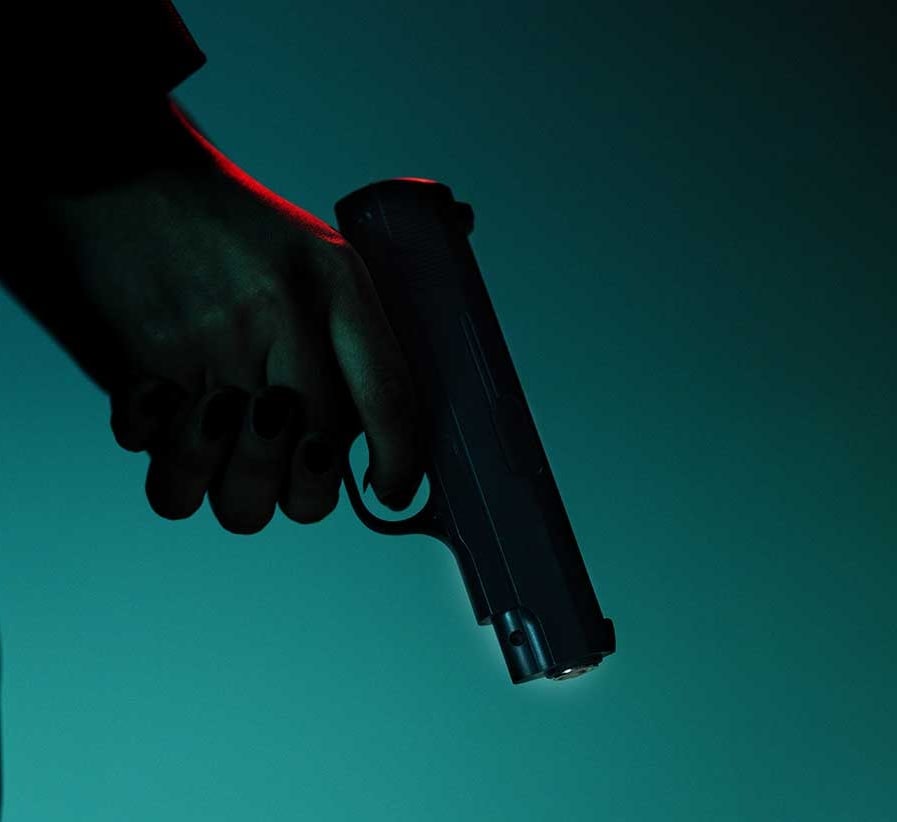
A perception has taken hold in Saint Lucia that criminal offences are going unpunished or receiving penalties that fail to deter future crime, according to commentary from local observers.
While acknowledging this as a public view rather than a scientific finding, recent court cases have fuelled the concern. Cases involving illegal firearms have drawn particular attention, given the island's rising gun violence. In one case, an individual arrested for illegal possession of a high-powered rifle was released on bail of EC$5,000. More recently, a person arrested following a video involving serious threats was released on EC$500 bail.
Concerns have also been raised about sentences handed down in cases involving violence against women.
When asked about the issue at a press briefing two weeks ago, Prime Minister Philip Pierre emphasised the separation of powers, noting that judicial decisions fall outside his authority. He said his responsibility was limited to providing resources to the courts, though he noted that capital punishment remains available under law.
The debate over sentencing severity is not confined to Saint Lucia. Last month, Prime Minister Gaston Browne of Antigua and Barbuda drew criticism from regional legal bodies after commenting on weak sentences, later responding that weak sentencing undermines public safety.
This week, the Royal Saint Lucia Police Force announced plans to intensify and maintain consistent crime-fighting efforts. However, observers have questioned the effectiveness of arrests if offenders return to the streets quickly through lenient bail or sentencing.


Comments
No comments yet. Be the first.