Lawmakers from both parties have introduced legislation that would force federal financial regulators to hand over records tied to Jeffrey Epstein's banking activity and examine whether banks and their executives broke the law while managing his accounts.
The Epstein Wall Street Records Act of 2026 was put forward on October 15 in both the Senate and House. Massachusetts Senator Elizabeth Warren sponsored the Senate bill, S. 5685, while California Representative Robert Garcia introduced the House version, H.R. 10820. The proposal has won backing from members of both parties, including Kentucky Republican Representative Thomas Massie.
Four federal agencies would be ordered to turn over regulatory records: the Federal Reserve, Federal Deposit Insurance Corporation, Office of the Comptroller of the Currency and Securities and Exchange Commission. The materials would cover Epstein, his business entities, convicted associate Ghislaine Maxwell and their contacts.
Under the bill, regulators must deliver records to designated congressional leaders within 90 days of passage and release them to the public in a searchable, downloadable format by day 120. Personal information and medical or trauma records belonging to trafficking survivors would remain confidential.
The legislation also directs federal regulators to examine financial institutions and top executives for potential breaches of banking, securities and anti-money-laundering rules. Investigators would look at how deep banks' financial ties to Epstein ran, what messages passed between institutions and his circle, whether staff helped him sidestep compliance checks, and whether any records were destroyed.
Should violations be found, regulators could impose penalties on senior executives, including bans from working in banking or securities and civil fines. Any suspected federal crimes would go to the Department of Justice.
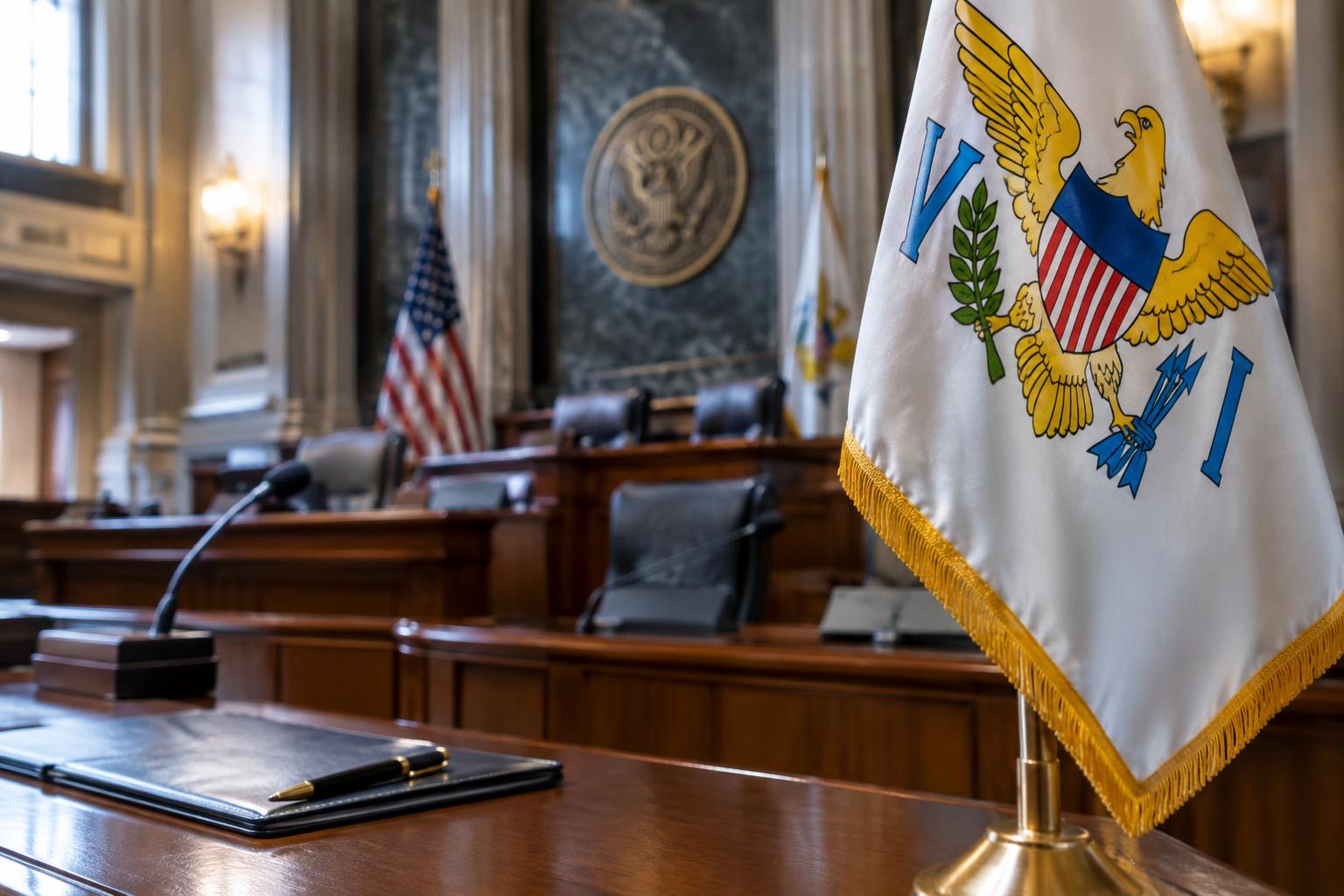
The bill carries weight for the U.S. Virgin Islands, where Epstein held Little St. James, a private island near St. Thomas. In September 2023, JPMorgan Chase paid the Virgin Islands Government $75 million to settle a civil case claiming the bank enabled Epstein's trafficking by keeping his accounts open and processing questionable transfers. The settlement directed $30 million to organisations helping trafficking survivors, $25 million to law enforcement work and roughly $20 million to legal costs. JPMorgan made no admission of fault.
Senator Warren said a Senate Finance Committee review had uncovered signs that JPMorgan Chase, Deutsche Bank and Bank of America did not properly screen or flag suspicious transactions linked to Epstein. "Since they have failed to act, Congress must," Warren said when announcing the bill.
Representative Garcia said financial firms and their leaders must answer for their knowledge of Epstein's conduct. Representative Massie said the bill would widen disclosure rules for federal financial watchdogs.
Neither bill has become law. The House bill was sent to the Committee on Financial Services; the Senate bill went to the Committee on Banking, Housing, and Urban Affairs.



Comments
No comments yet. Be the first.