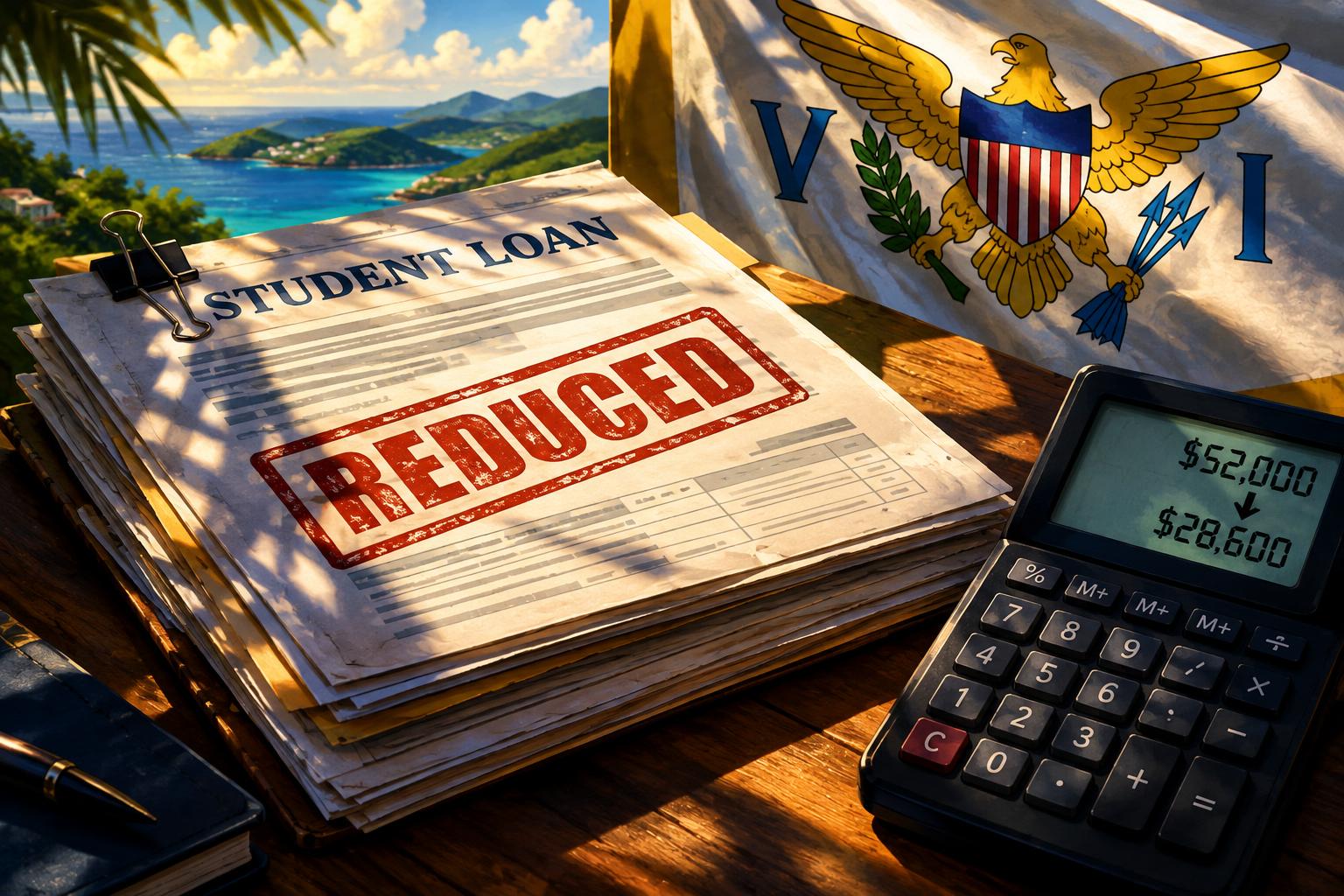
Graduate students in the US Virgin Islands and across the country face significant new restrictions on federal borrowing as sweeping changes to the student loan system take effect.
Beginning July 1, 2026, graduate students can generally borrow no more than $20,500 per year and $100,000 total through federal loans, down from unlimited borrowing under the previous Graduate PLUS program. Students in programs classified as professional degrees, such as medicine, law, dentistry and nursing, may borrow up to $50,000 annually and $200,000 in total. The changes stem from federal legislation signed by President Donald Trump on July 4, 2025.
The Graduate PLUS program, which previously allowed students to borrow up to their school's full cost of attendance, is now closed to most new borrowers. Students already enrolled in a program by June 30, 2026, may continue under the old rules for up to three academic years or the remaining time needed to complete their credential.
The Education Department's definition of which programs qualify for professional-level borrowing has become a point of contention. An initial narrow list including medicine, law, dentistry and clinical psychology faced a court challenge. On June 24, a federal judge preliminarily stayed portions of the definition, and the department issued a broader interim list while litigation continues. That expanded list now includes nursing, physician assistant programs, physical therapy, occupational therapy and audiology, among others.
Students whose education costs exceed their federal borrowing limits must now seek alternative funding through scholarships, institutional aid, personal resources or private student loans. Private lenders are preparing for increased demand. Sallie Mae has told investors it expects the federal changes to increase demand for private education loans, particularly for graduate students, and projects the changes could create $4.5 billion to $5 billion in additional annual private-loan originations.
Unlike federal loans, private student loans generally do not offer the same protections, including income-driven repayment options and forgiveness programs. Approval and interest rates may depend on credit history, and some borrowers require cosigners.
The University of the Virgin Islands offers graduate programs including master's degrees in social work, business administration, accounting, public administration, psychology, educational leadership, school counseling and marine and environmental science, with 2026-2027 resident tuition at $500 per credit before fees. Virgin Islanders attending higher-cost mainland programs will likely feel the new limits more acutely.
A second major change takes effect July 1, 2027, when the Education Department's new Student Tuition and Transparency System will judge college programs by graduate earnings. Programs that fail earnings benchmarks in two of three consecutive years can lose access to federal Direct Loans for at least two years.


Comments
No comments yet. Be the first.