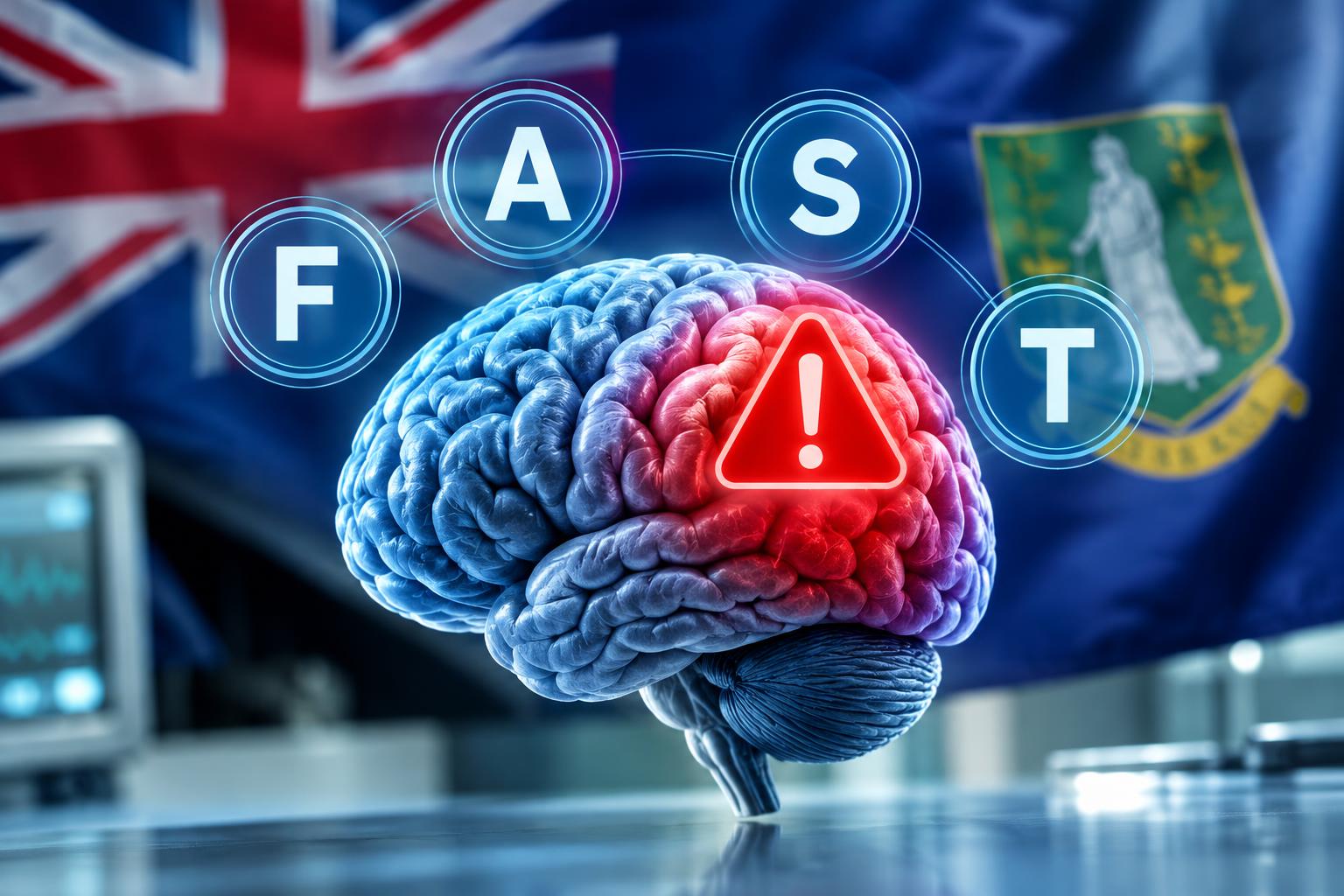
The British Virgin Islands is joining territories worldwide to mark World Stroke Day on October 29, with health authorities stressing that immediate action during the first minutes of a stroke can save lives and reduce lasting damage.
Stroke happens when blood supply to the brain is cut off by a blockage or bleeding. Chief Medical Officer Dr. Ronald Georges said that knowing what to watch for makes a critical difference when a stroke strikes.
"Stroke can happen suddenly, and the actions taken in those first few minutes matter. We want residents to recognise the warning signs, take them seriously and seek emergency medical attention immediately. Do not wait to see if the symptoms will go away," Dr. Georges said.
Health officials are promoting the FAST method to help people spot trouble: sudden changes in the face, arms or speech are key indicators that emergency help is needed right away. Other symptoms to watch for are sudden vision changes, dizziness, trouble with balance or coordination, confusion or a sharp headache without an obvious cause.
Dr. Georges warned that even symptoms lasting only a short time should not be dismissed. Brief stroke-like episodes may point to a transient ischemic attack, or "mini-stroke," and still demand urgent medical attention.
Prevention starts with managing health risks. High blood pressure stands out as a major stroke risk factor. Tobacco use, high cholesterol, diabetes, lack of physical activity, excess weight, poor diet, heavy alcohol consumption and high blood glucose also raise the danger.
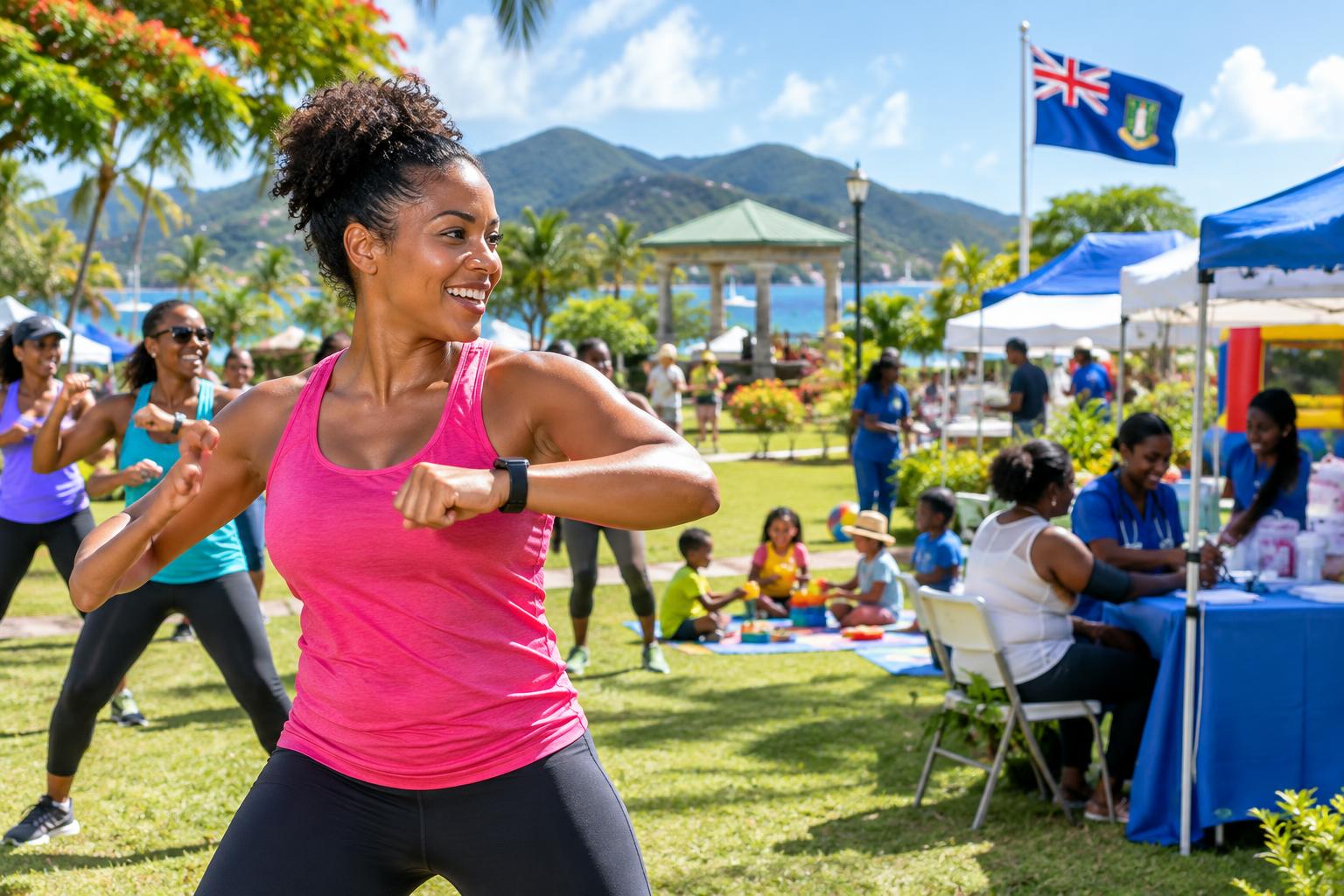
The Chief Medical Officer encouraged residents to track their own health numbers and partner with doctors to control existing conditions. Regular physical activity, better food choices and taking medicines as prescribed all help lower stroke risk. Knowing blood pressure, blood sugar and cholesterol levels gives people the information they need to take action before a stroke occurs.
Comments
No comments yet. Be the first.