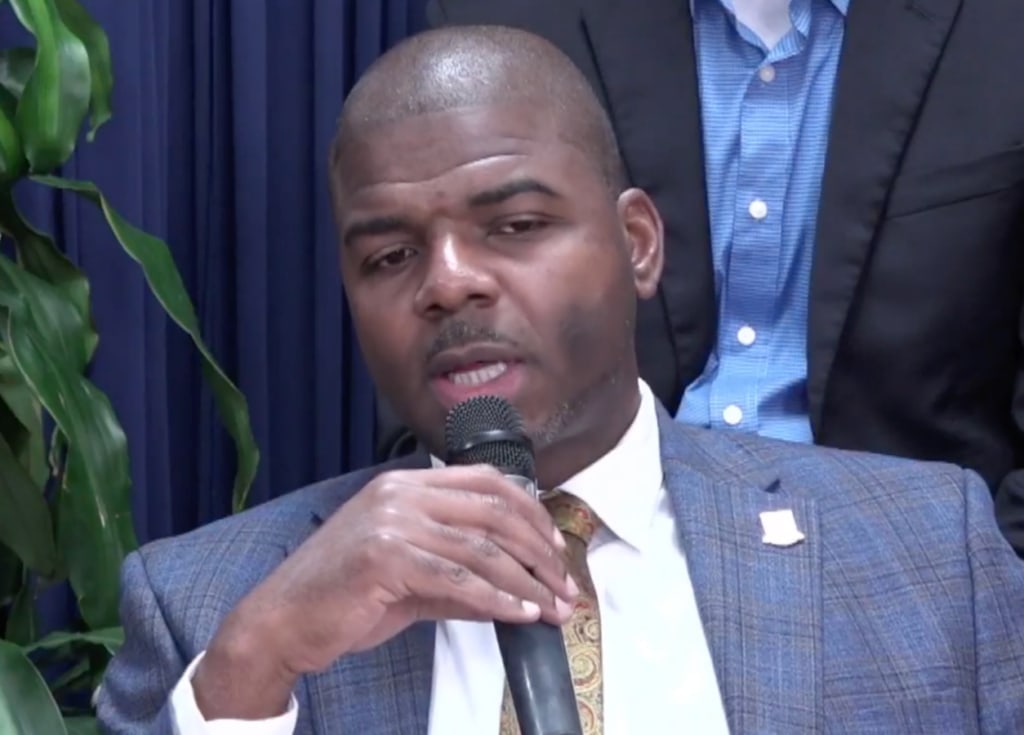
Premier Dr Natalio Wheatley has held the National Democratic Party responsible for prioritising major construction projects over essential services, leaving the British Virgin Islands with deteriorating water systems.
Speaking on the Virgin Islands Voice programme last week, Dr Wheatley outlined the state of infrastructure his administration inherited: ageing pipes, reservoirs that leak, and a pressure management system that no longer functions properly. He traced these problems back years of underinvestment.
"In the prior administrations, the priorities were the hospital and the Pier Park. That's where we spent our money," Dr Wheatley said. The Premier questioned whether directing approximately $80 million to $90 million toward the Cyril B. Romney Tortola Pier Park made fiscal sense, noting that private developers might have shouldered that cost instead.
"We literally took money from our infrastructure, including our sewerage, to be able to do the Pier Park," he stated, linking those choices to the water and sanitation challenges residents face today.
During the two previous administrations, the distribution network received minimal attention, Dr Wheatley explained. Although those governments expanded water production capacity through BiWater and Seven Seas, the pipes and systems carrying water to homes and businesses were left to age without meaningful repair or upgrade.
To address the backlog, his government secured a $100 million infrastructure loan, described as the territory's largest ever. Works Minister Kye Rymer had initially lacked funds to tackle the combined challenges of roads, water and sewerage systems. The first $8 million has already gone toward purchasing meters, restoring tanks and related improvements.
Dr Wheatley has directed the Financial Secretary to pursue additional funding for transmission lines that would link Sabbath Hill to other reservoirs and for upgrades to water management systems. He warned residents that the repair process will be lengthy and disruptive. "It's going to take a lot of time, and in some instances, it's going to be very painful," he said, while expressing belief that sustained investment will eventually produce dependable drinking water.

Comments
No comments yet. Be the first.