The United States has forfeited its measles elimination status after more than two decades, international health authorities determined this month. The Pan American Health Organization notified federal officials on November 13 that a continuous chain of measles transmission beginning in January 2025 had persisted for at least 12 months, meeting the criteria for loss of the designation the country had maintained since 2000.
PAHO Director Dr. Jarbas Barbosa announced on November 17 that the United States, Mexico and Bolivia had all lost their elimination status following a review by the organisation's independent monitoring commission. The finding does not mean measles is spreading across every American community, but it signals the nation has failed to stop sustained transmission within its borders. PAHO has asked the United States to submit a plan for how it will regain the designation.
The timing coincides with a sharp rise in measles cases nationwide. The Centers for Disease Control and Prevention documented 5,838 confirmed infections in 2026 through mid-November, compared with 2,289 cases during the entirety of 2025. The agency identified 43 new outbreaks this year, with 96 percent of confirmed cases tied to those clusters.
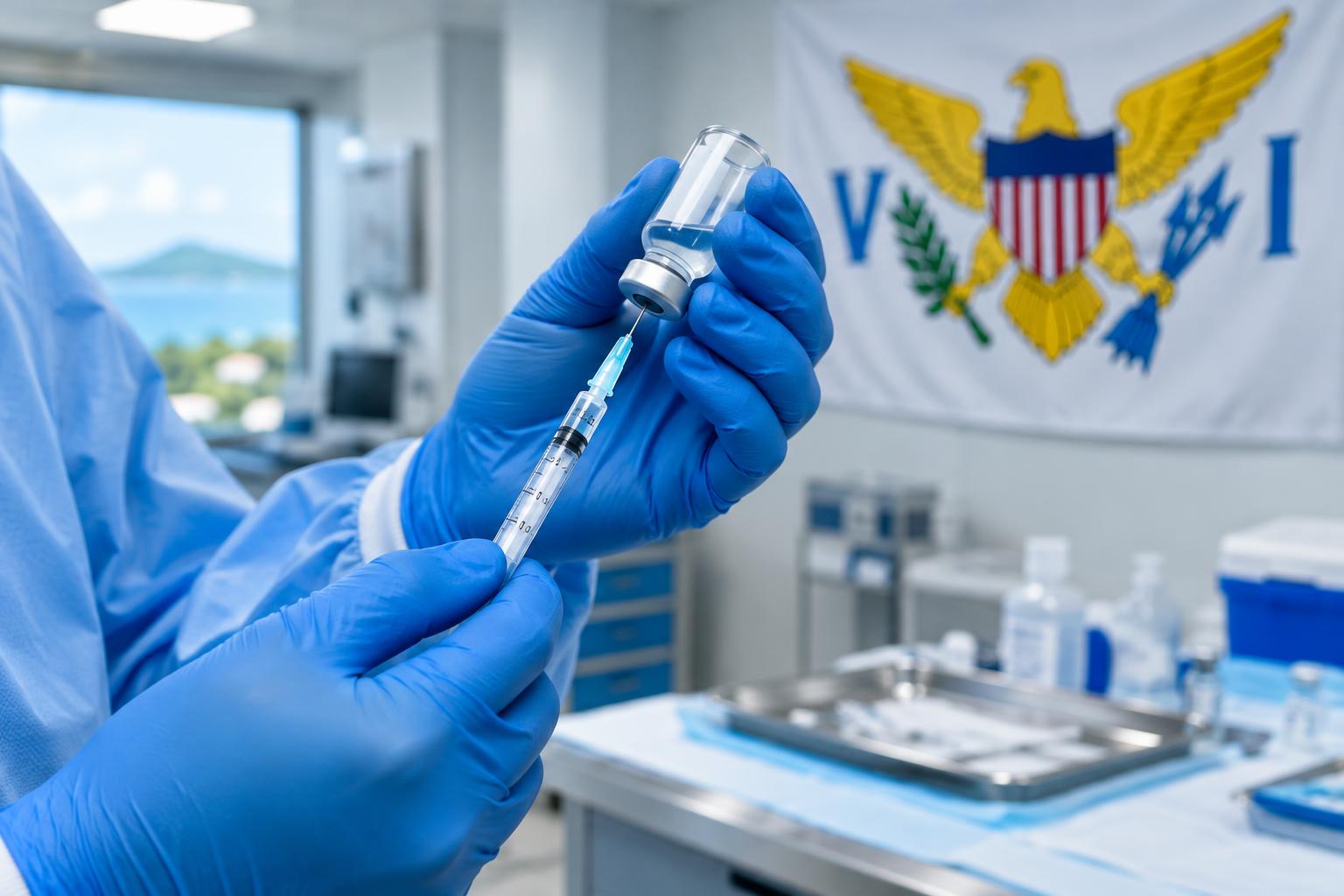
The development has triggered heightened worry in the Virgin Islands, where childhood vaccination exemptions have climbed significantly. In the St. Thomas-St. John District, exemptions reached 327 for the 2026-2027 school year through October, a jump of roughly 60 percent from 204 the prior year. St. Croix recorded 486 exemptions in 2025-2026, up from 259 two years earlier: a 78 percent surge in one year. The island's Maternal and Child Health Program reported an additional 145 exemptions between August and October 2026.
Health Commissioner Justa Encarnacion cautioned that rising exemption numbers could leave children at risk should measles arrive in the territory. A May 2025 assessment found that more than half of Virgin Islands children younger than six had not received the measles, mumps and rubella vaccine. Encarnacion called on families to examine their children's vaccination histories and speak with healthcare providers about missed shots or current exemptions. "This is the time to reconsider your exemption request," she said.
Measles travels through the air and remains contagious for up to two hours after an infected person departs a closed space. It can trigger pneumonia, brain inflammation and, in rare instances, death. Two doses of the MMR vaccine offer roughly 97 percent protection against infection, the CDC reports.
PAHO indicates that 95 percent of a population must receive both vaccine doses to block sustained transmission. The federal government has directed approximately 100 million dollars in extra funding nationwide since August toward measles prevention and response alongside other vaccine-preventable illnesses.
People who suspect measles exposure or experience symptoms such as high fever, cough, runny nose, red eyes or rash should contact a healthcare provider before attending a medical facility. The United States can only restore its elimination status after demonstrating 12 consecutive months without sustained transmission and confirming that surveillance, vaccination and outbreak response systems are adequate.

Comments
No comments yet. Be the first.