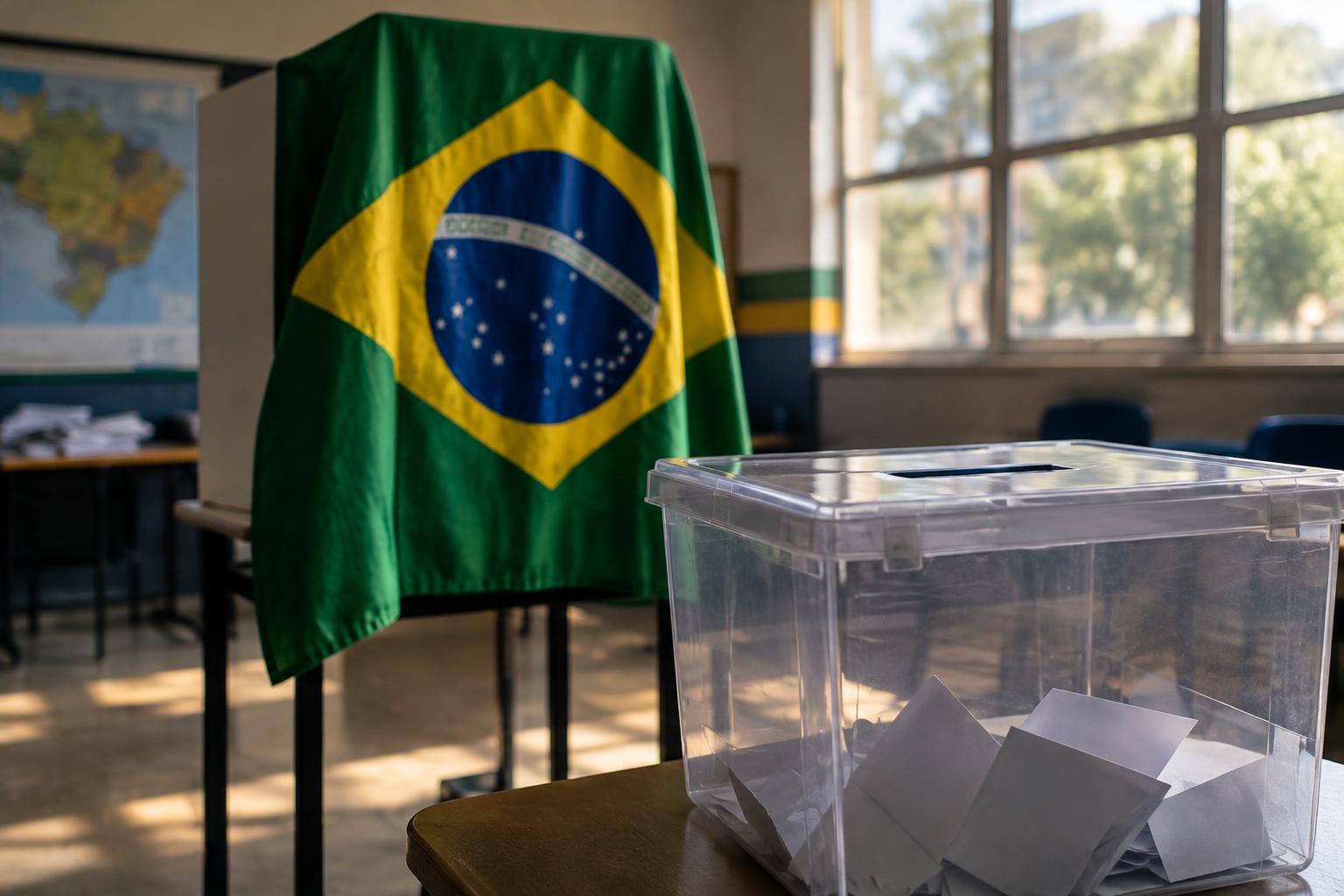
Luiz Inácio Lula da Silva has won a fourth term as Brazilian President, capturing 64.3 million votes in an October 25, 2026 runoff against senator Flávio Bolsonaro, who received 59.8 million votes. The margin of victory was approximately 4.4 million ballots, giving Lula 51.79 per cent of valid votes to Bolsonaro's 48.21 per cent. He takes office on January 5, 2027.
The outcome represents an extraordinary political reversal. In the first round on October 4, Bolsonaro had led with 47.03 per cent of the vote, while Lula trailed at 45.16 per cent. By flipping that result in the runoff, Lula became the first Brazilian presidential candidate in the country's democratic history to finish second in the opening round and then win the presidency in the second.
From factory floor to four-time president
Lula was born Luiz Inácio da Silva in 1945 and spent his early years in poverty before becoming a metalworker and labour organiser. He helped establish Brazil's Workers' Party and first reached the presidency in 2002, serving consecutive terms until 2010. After a decade away from office, he defeated then-President Jair Bolsonaro in 2022 and returned to power in 2023. His four electoral victories span 2002, 2006, 2022 and 2026.
A nation split down the middle
Despite his win, Brazil remains politically fractured. Bolsonaro, son of the former president and now a senator, mobilised over 59.8 million voters, underscoring the durability of the political movement his family represents. The slim victory margin means Lula faces a deeply divided electorate and substantial parliamentary opposition as he begins his term.
The election itself was shadowed by disputes over voting logistics. Courts extended polling hours in some areas due to concerns about transportation and access to voting sites. Bolsonaro subsequently rejected the result and demanded the election be invalidated, intensifying post-election tensions.
Implications across Latin America and beyond
Brazil's outcome carries weight far beyond its borders. As Latin America's largest economy, the country shapes regional commerce, diplomacy, environmental policy and international standing. Lula's return interrupts a wave of right-wing electoral gains sweeping parts of the region.
His government is expected to prioritise social spending, institutional democracy and Brazil's autonomy in foreign policy. Yet he will govern amid economic headwinds, crime concerns and deep political fractures. Ties with the United States remain consequential, particularly regarding trade disputes and tariff disagreements.
Comments
No comments yet. Be the first.