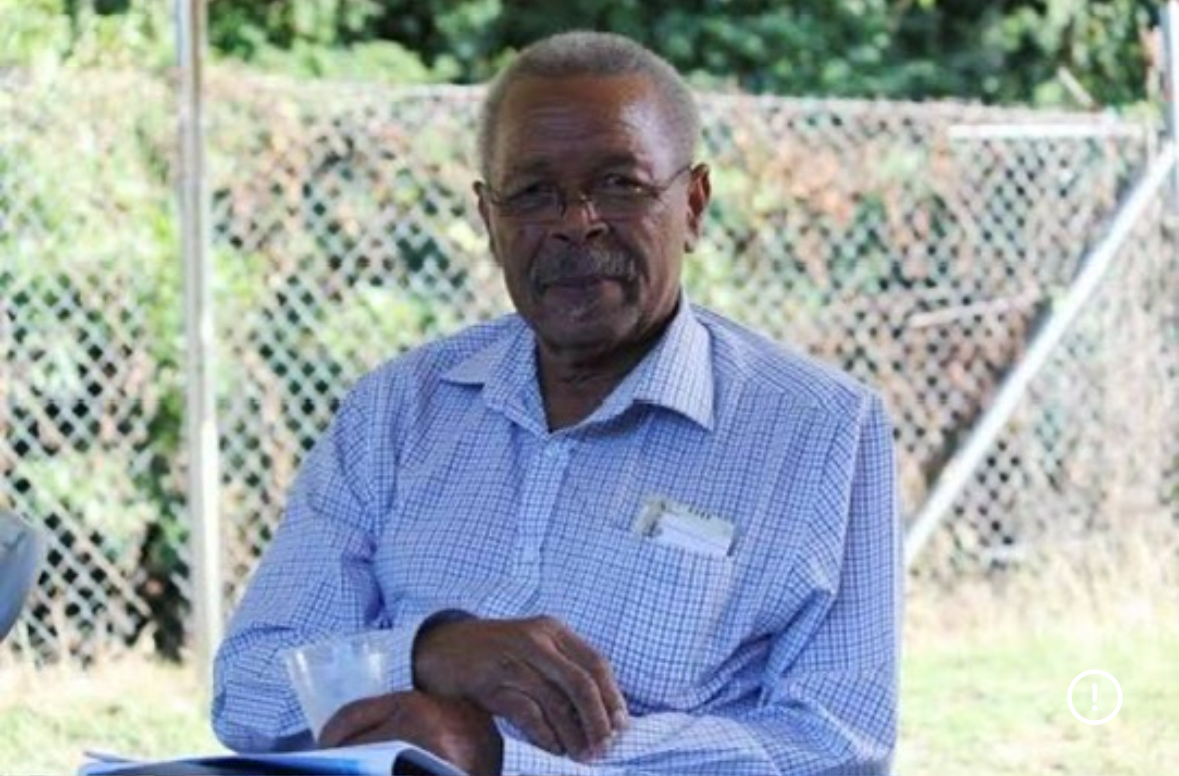
The British Virgin Islands has lost Edmund G. Maduro, a prominent figure whose influence extended across government administration, electoral contests, radio broadcasting and community advocacy.
Maduro held the post of Chief Immigration Officer between 1969 and 1989, overseeing two decades of work on some of the Territory's most difficult policy questions: immigration procedures, border management, residency rules and Belonger status determination. During his tenure, he was in charge when the controversial "Rasta Law" was active. He later disclosed to the BVI Beacon that he had proposed the law to then-Ninth District Representative Ralph O'Neal, framing it as a response to problems he linked with Rastafarian arrivals in the Territory. That legislation remained on the books for over twenty years until its repeal in 2003, after sustained criticism of its discriminatory character.
Maduro descended from a well-established BVI family with long-standing ties to the islands. His brother Conrad A. Maduro held seats in the legislature and served as a government minister. Another brother, Berris Austin Maduro, gained recognition as a farmer, fisherman, cricketer and community figure. His niece Alvera Maduro-Caines would go on to join the House of Assembly.
He ran for elected office three times under the BVI United Party banner. His 1990 Third District campaign yielded 19 votes. When the Territory introduced at-large electoral seats in 1995, he competed for one and secured 345 votes. A 1999 Sixth District attempt brought him 71 votes. He also stood as an at-large candidate for the People's Progressive Coalition in 2015, taking less than one per cent of that vote.
Maduro became a recognisable presence on local radio, presenting shows such as "BVI Forum" on CBN Channel 51. His broadcasting style was forceful and often confrontational, regularly pressing elected leaders and state bodies on matters including immigration, Belonger rights, health services, public safety, infrastructure and elderly care. In 2013, he raised alarms about conditions for seniors at Peebles Hospital and demanded answers regarding charges imposed on seniors and minors for medication contrary to legal entitlements. Health Minister Ronnie Skelton responded with a public apology and confirmed the practice had ended.
Maduro also took aim at government handling of spousal rights for Belongers and spoke out against discrimination within tourism employment. He defended his practice of disconnecting callers he saw as disrespectful, stating that broadcasters had a duty to safeguard their guests and stations.
Even after withdrawing from electoral campaigns, Maduro stayed active in public discourse. In 2015, he joined a Concerned Citizens and Residents Group that approached then-Premier Dr. D. Orlando Smith with worries about how National Health Insurance was being rolled out.
Comments
No comments yet. Be the first.