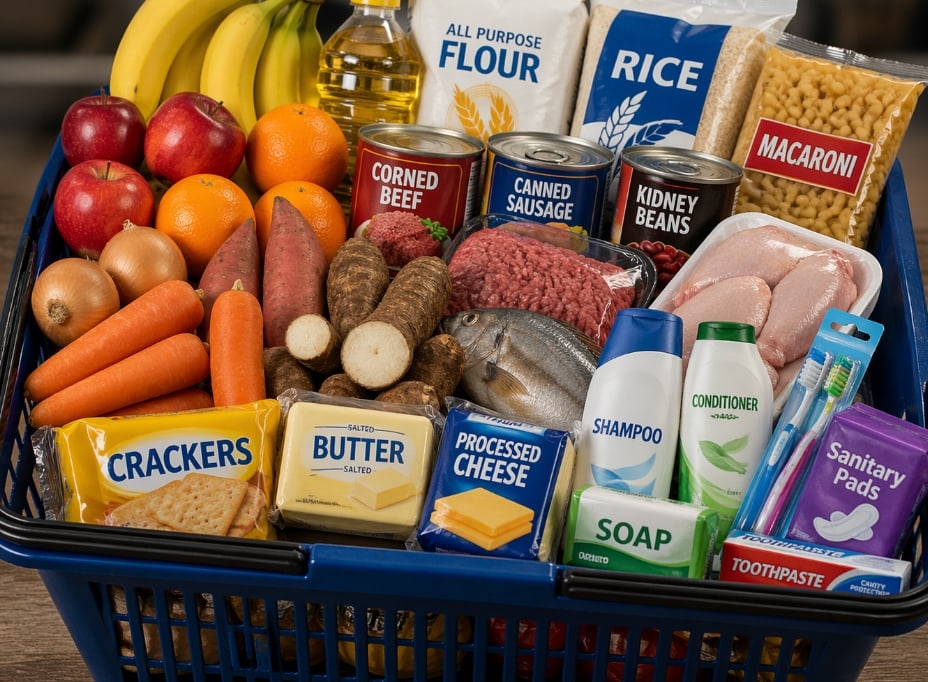
A government survey of nearly 200 households in the British Virgin Islands has exposed a disconnect between the basket-of-goods programme and what residents are actually experiencing at the checkout.
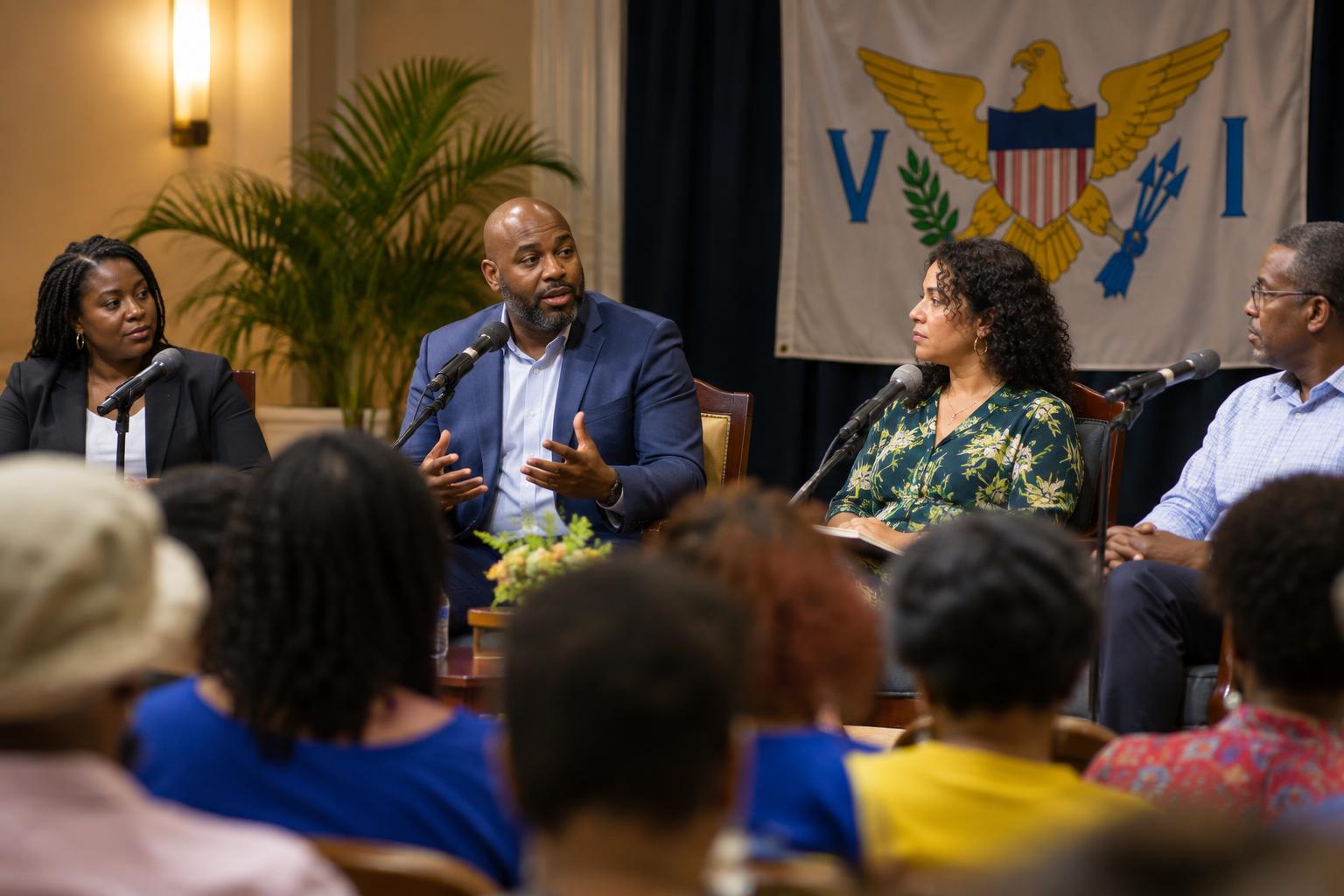
The Department of Trade collected responses from approximately 187 families to measure how well the initiative was working. Deputy Director Dr Lincoln Bobb found that awareness was the main obstacle: shoppers simply did not know which items qualified for the discounts.
"People are saying that they have not been feeling it," Bobb said. Without that knowledge, consumers defaulted to their usual buying patterns and missed out on savings altogether. Bobb noted that for most households surveyed, basket-of-goods items represented only half or less of their total groceries.
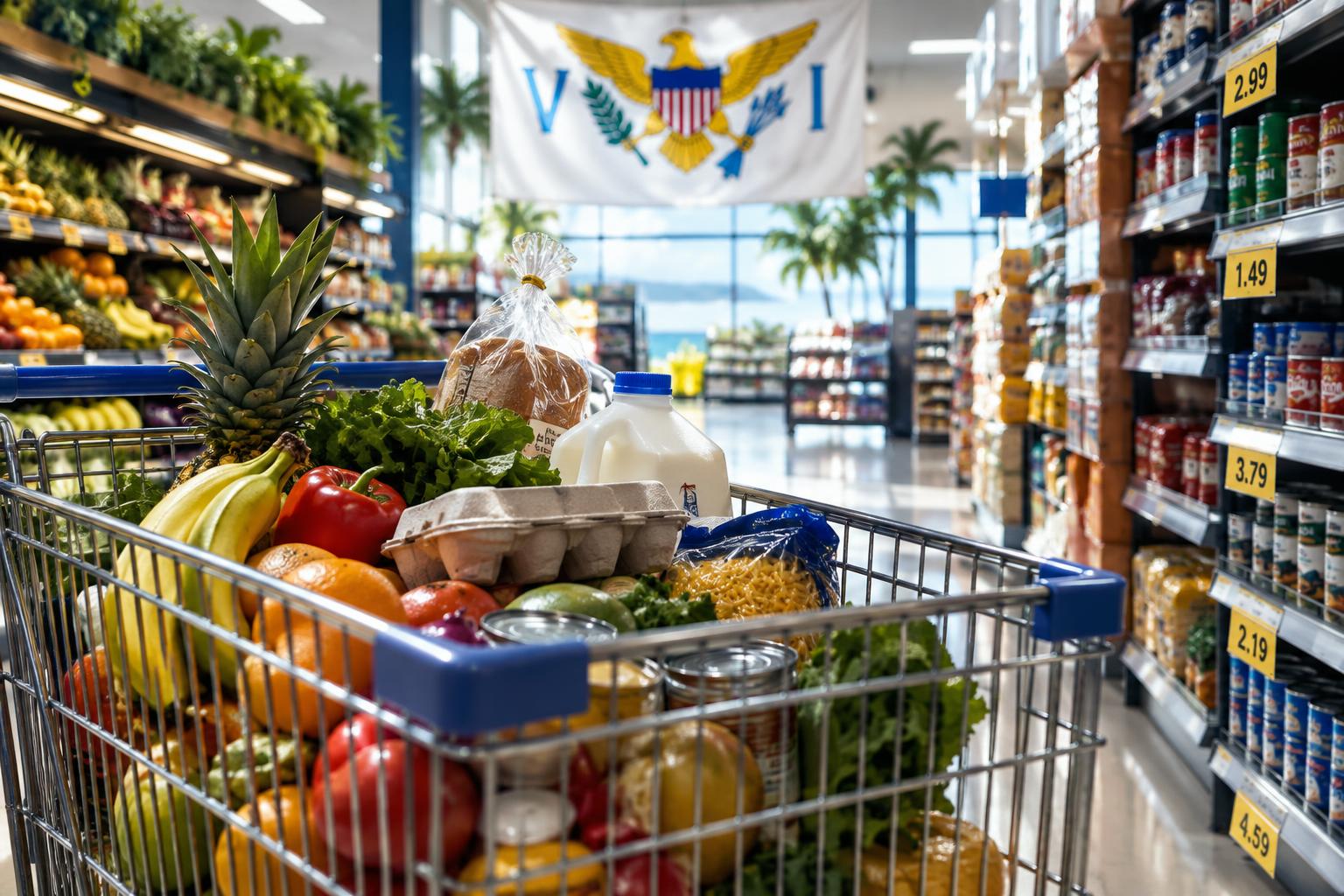
Bobb suggested that supermarkets could play a role by making qualifying products stand out on shelves and at checkout points. He also pointed out that shopping is habitual: once people know which goods offer relief, they are more likely to choose them and stretch their budgets further.
Yet Bobb maintained that the core programme itself was functioning. "We just also have some adjustments to make," he said.
The initiative operated between May 1 and July 31, combining reduced import duties on essentials, adjusted container charges and electricity subsidies. Junior Minister for Financial Services and Economic Development Lorna Smith pointed to specific price movements as proof: sliced bread dropped from $4.40 in April to $3.78 in July. The total cost of the relief measures reached at least $6 million across the three-month period.
Government and supermarket officials have begun reviewing pricing, import and shopping data to decide whether the programme should continue. If it does, Smith indicated that the basket could expand to include hardware and lumber alongside food and household staples.
Comments
No comments yet. Be the first.