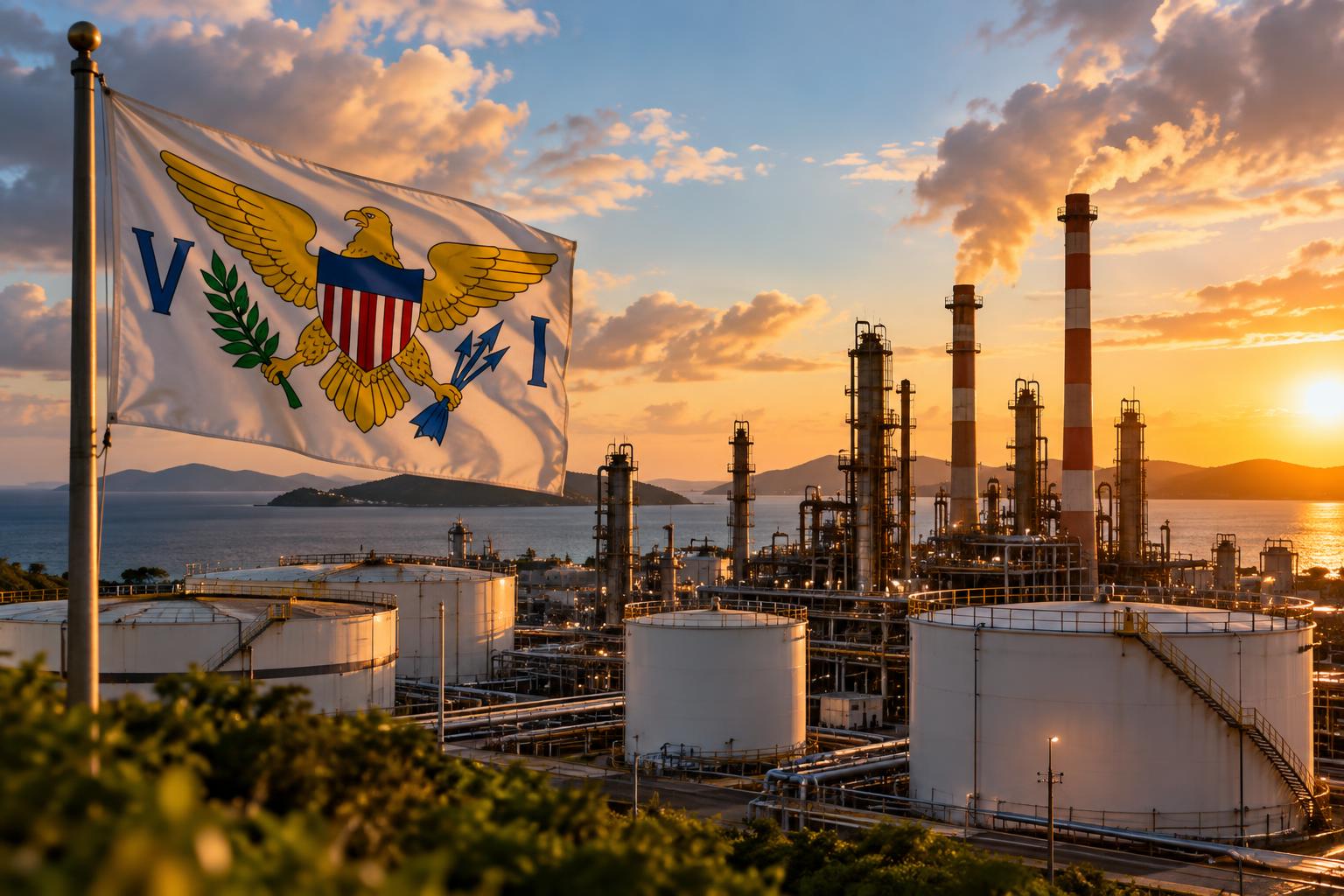
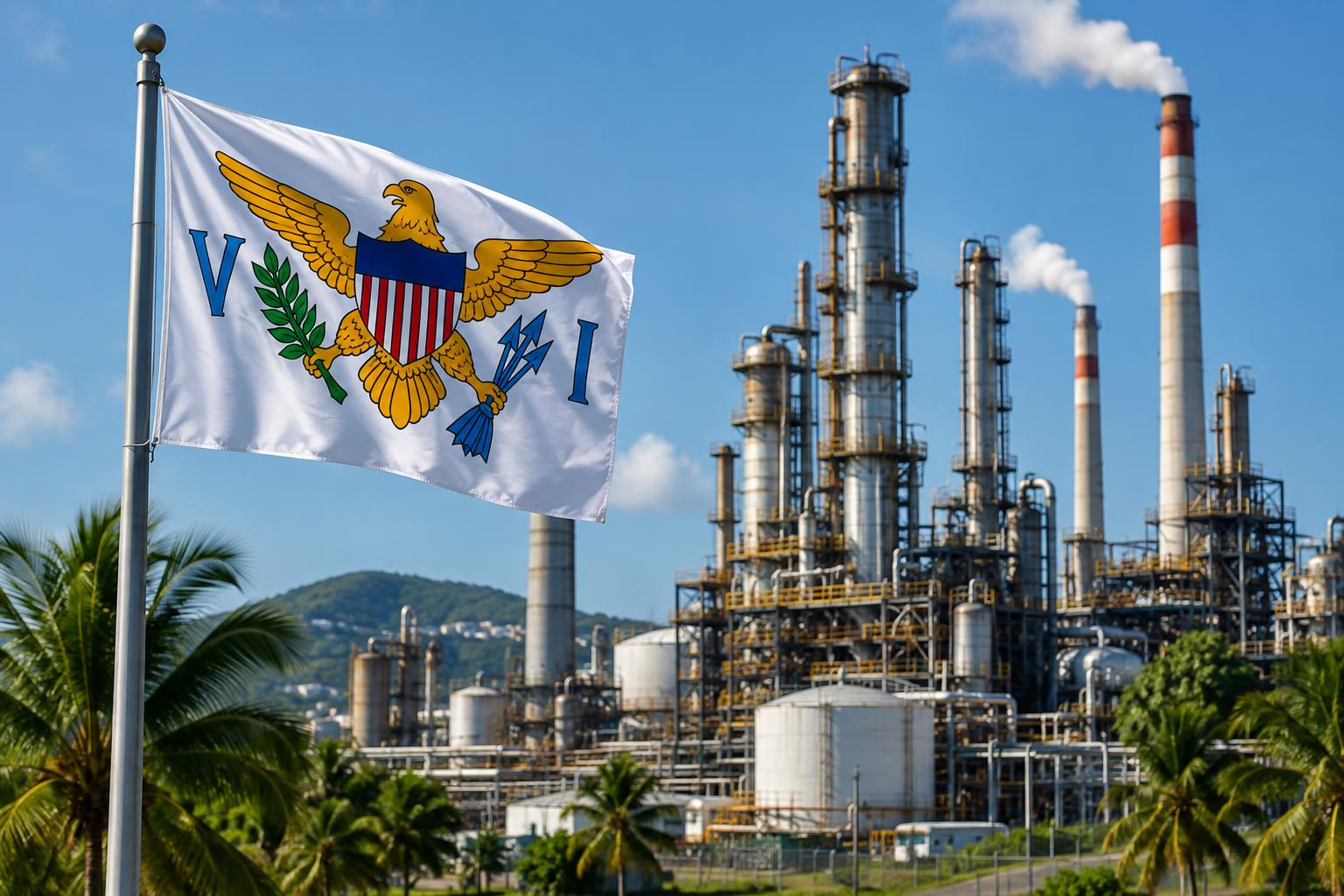
ST. CROIX: A Thursday night debate pitted two competing visions for the island's economic future as at-large Senate candidate Hadiya Sewer flatly rejected plans to reopen the shuttered South Shore oil refinery, while Governor Albert Bryan's administration promotes the project as a source of 400 jobs and $45 million in annual government revenue.
When asked if she supported restarting the facility, which Port Hamilton Refining and Transportation aims to bring back online in phases beginning in 2027, Sewer answered: "No."
Sewer grounded her opposition in the refinery's track record. She pointed to roughly $1.3 billion in losses accumulated by HOVENSA before it closed in 2012, and to approximately $4 billion spent by Limetree Bay investors in an unsuccessful attempt to resume operations in 2021. The combination of environmental and public health risks alongside such financial failures, she argued, made the venture too dangerous.
"I would argue that the environmental and the public health impact creates a significant financial and health burden for the people of the Virgin Islands," Sewer said.
Incumbent Senator at Large Angel Bolques Jr. took the opposing stance, backing the reopening if environmental safeguards and safety rules remain in place.
Economic Devastation from the 2012 Shutdown
The refinery's collapse left deep scars on St. Croix's economy. When HOVENSA ceased operations in February 2012, roughly 2,150 workers and contractors lost their jobs. The annual payroll loss reached between $269 million and $301 million. In 2011, before closure, the facility had generated approximately $420 million in economic activity, with $346 million flowing to individuals and vendors across the island.
Unemployment surged dramatically. The jobless rate stood near 9 percent when the closure was announced but climbed to 17 percent by the end of that year. The U.S. Department of the Interior warned Congress in May 2012 that territorial government revenue would drop by roughly $92 million, representing 14 percent of anticipated income.
The shock rippled through education and commerce. Private schools dependent on refinery families saw enrollment plummet. Kingshill School shut down in spring 2012. Good Hope School and St. Croix Country Day School later merged in 2013 to form Good Hope Country Day School. About 30 percent of displaced workers left the territory entirely to find jobs elsewhere.
The broader economy contracted sharply: the territory's real gross domestic product fell 15 percent in 2012 and again in 2013.
Sewer's Alternative Path
When pressed on what industries could replace refinery employment, Sewer outlined a pivot toward environmental services, climate-focused work, software development and light manufacturing. She suggested such sectors could begin creating jobs within 12 to 24 months and advocated for legislative steps to support remote work, attract tech companies and boost the University of the Virgin Islands Research and Technology Park.
Sewer offered no specific list of funded initiatives, named employers or employment projections to demonstrate that her alternatives would match the refinery's job creation and wage levels within her proposed timeframe.

Comments
No comments yet. Be the first.