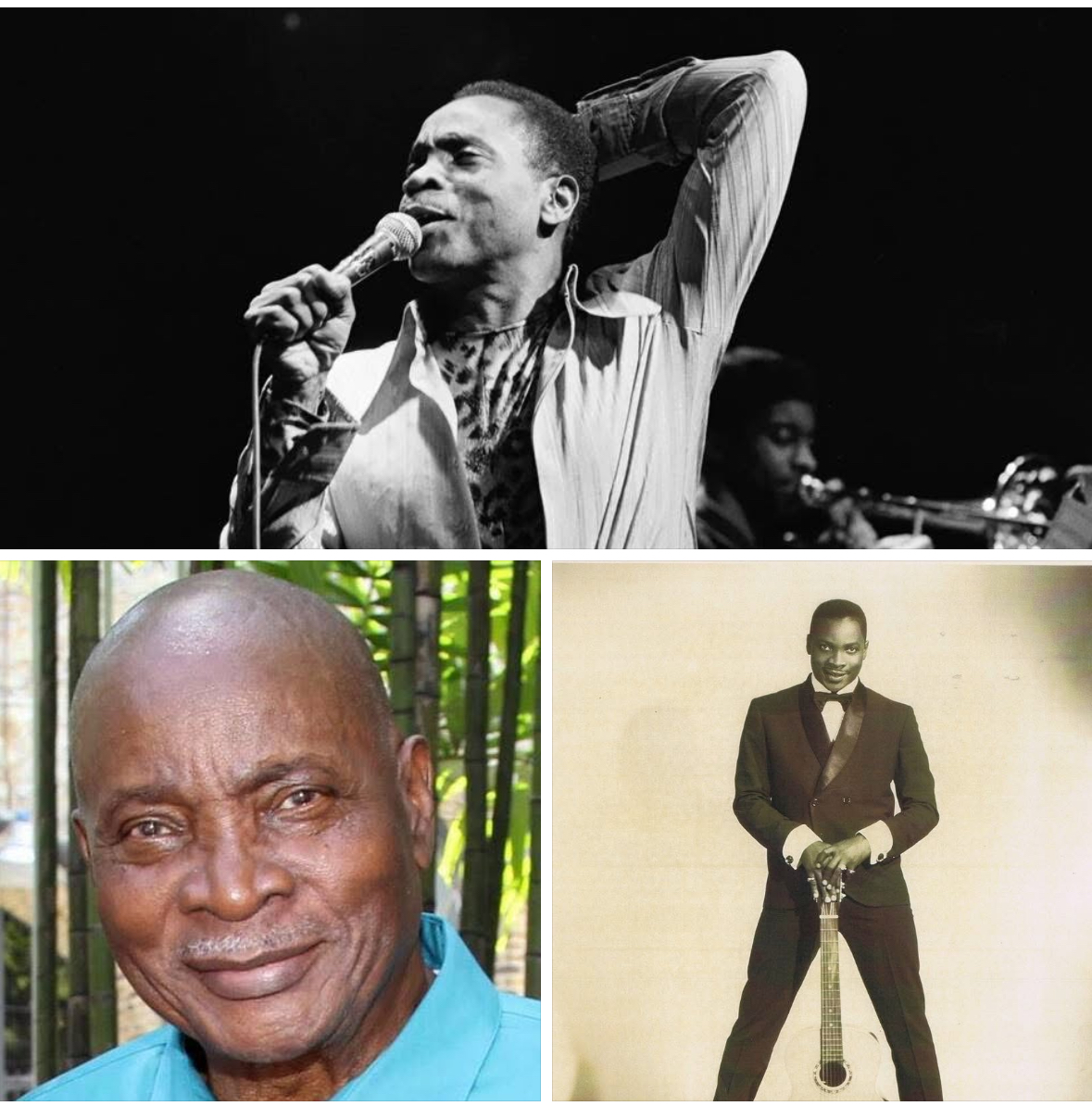
Slinger Francisco, the artist known worldwide as the Mighty Sparrow, died on Sunday, September 27, 2026, in New York. He was 91. According to his family, he passed peacefully after a brief illness, surrounded by loved ones.
Francisco was born in Grand Roy, Grenada, on July 9, 1935, but moved to Trinidad while still a child. There his musical career took root. As a teenager, he sang in his church choir and by age 14 was performing with a steel band during Carnival. His stage name came from his dynamic presence on stage, observers noted that he moved with such energy he seemed to jump around like a small sparrow. The nickname evolved from "Little Sparrow" to the Mighty Sparrow as his fame grew.
Over a career spanning more than seven decades, Francisco became one of the Caribbean's most significant cultural figures. He claimed the Trinidad and Tobago Calypso King/Monarch title eight times and the Carnival Road March title eight times. He also won the Calypso King of Kings competition twice. His recorded output included more than 500 songs across more than 70 albums.
His music ranged across politics, race, relationships, colonialism, crime and the texture of everyday Caribbean life, delivered with playfulness, provocation and humour. The 1956 song "Jean and Dinah" marked a turning point in his career. When he grew frustrated with how calypsonians were paid and treated, he organised a "Carnival Boycott" to challenge the conditions performers faced.
CARICOM characterised him as a "celebrant, chantwell, warrior, prophet, satirist," recognising how his songs explored Caribbean politics, history and social struggles. His music travelled beyond Trinidad to Grenada, Barbados, Jamaica, Guyana, St. Lucia, St. Vincent, Antigua, the Virgin Islands and across the wider Caribbean, then to North America, Europe and Africa, proving that Caribbean culture could reach a global audience without losing its identity.
Francisco received an honorary Doctor of Letters from the University of the West Indies in 1987. Trinidad and Tobago honoured him with its highest national award, the Order of the Republic of Trinidad and Tobago, in 2014. In 2015, he was appointed an Officer of the Order of the British Empire for services to culture.
For more than 60 years, he remained a fixture in Caribbean cultural life, witnessing calypso evolve into soca and watching new generations of musicians build on the ground he had helped establish.


Comments
No comments yet. Be the first.