The mainland United States, Puerto Rico and the U.S. Virgin Islands have not recorded any cases of African swine fever, according to the U.S. Department of Agriculture, though the agency is intensifying its message to holiday travelers about what they can and cannot bring across borders.
Jesús Soto, an animal health technician with USDA Veterinary Services, told The Consortium that monitoring at farms and processing plants across these regions has detected no trace of the virus. However, the disease has taken hold in Haiti and the Dominican Republic, prompting the USDA to establish a protection zone covering Puerto Rico and the Virgin Islands since September 2021.
The virus itself is highly contagious and fatal to pigs but poses no risk to human health. Its spread would threaten pig farmers and the businesses built around them.
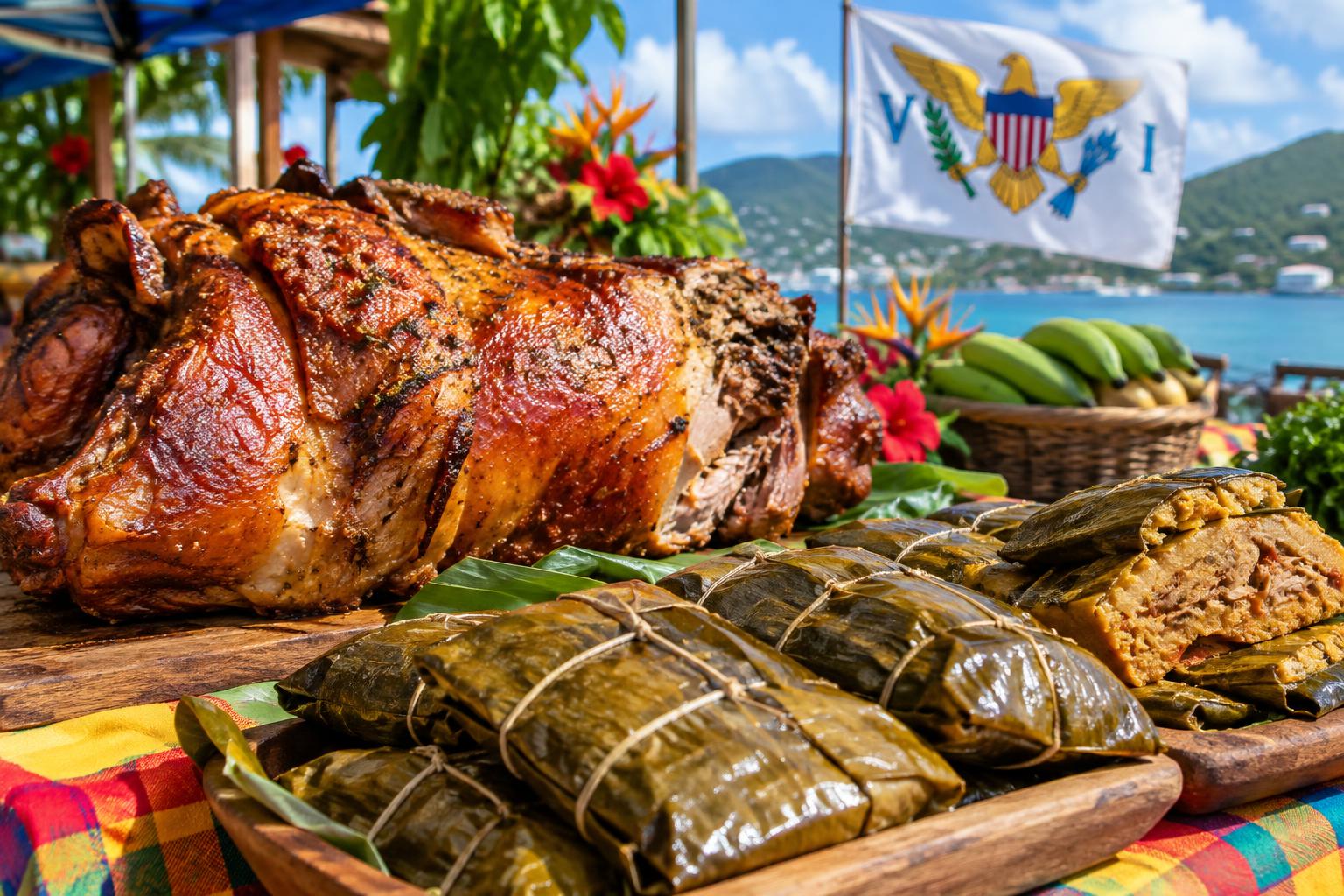
As families prepare for the holidays, Soto cautioned against packing traditional pork dishes in suitcases or mailing them to the mainland. Items such as ham, hot dogs, pernil, lechón asado and pasteles can transmit the virus if they carry contamination. "Do not pack the pork," Soto said. "Please pack the recipe. Bring the recipe back."
The USDA will seize homemade pork products whether they are cooked, frozen or raw, and the ban covers both checked luggage and carry-on bags. The agency does permit certain mass-produced canned meats and shelf-stable baked goods that require no refrigeration.
Travelers departing Puerto Rico must show eligible pork products to a USDA inspector. Those leaving the Virgin Islands must present them to U.S. Customs and Border Protection.
Despite educational campaigns, enforcement officers continue to intercept banned items. Last year in the Dominican Republic alone, officials seized nearly 2,000 kilograms, roughly 4,400 pounds, of pork and pork products destined for the United States.
The economic stakes are substantial. An outbreak on the mainland could inflict as much as 74 billion dollars in damage to the U.S. economy over a decade, according to USDA agriculturist Fernando Lugo, cited in reporting from December 2025.
Beyond food, the USDA advises travelers to alert border officials if they have spent time on farms, near livestock or around wild pigs. Travelers should wash and disinfect clothing and footwear that contacted pigs and wait five days after international travel before entering facilities housing pigs.
Soto framed the effort as essential to safeguarding farmers' incomes and preserving access to cherished traditional foods. "Prevention is the name of the game," he said.




Comments
No comments yet. Be the first.